
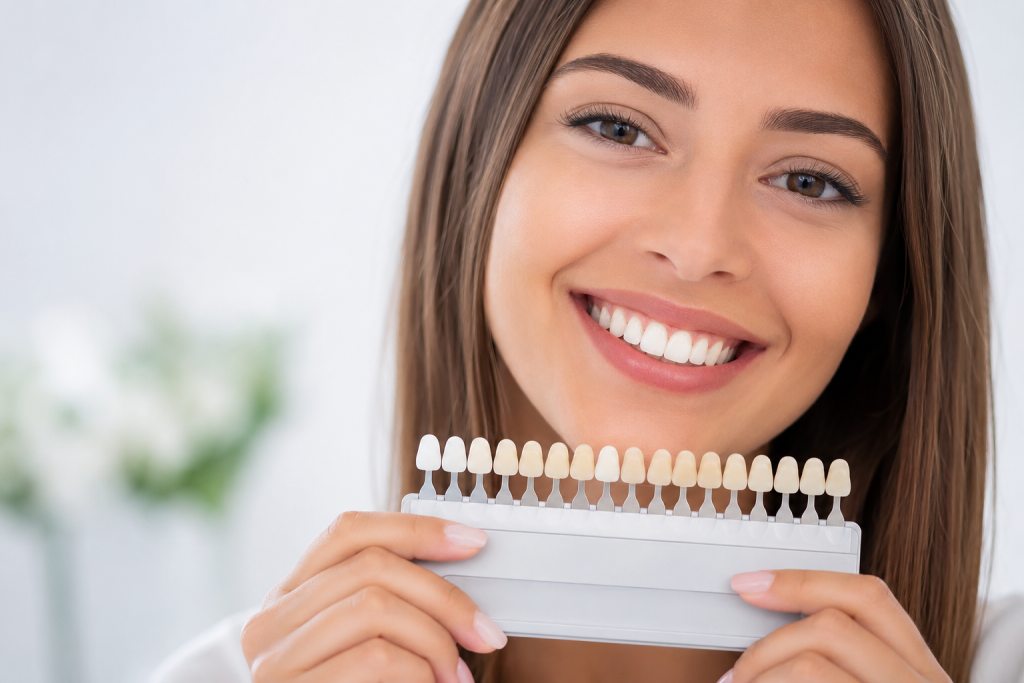
Dental veneers have become one of the most popular cosmetic dentistry treatments for patients who want a brighter, more balanced smile without extensive dental procedures. Whether you’re correcting stains, chips, small gaps, or uneven teeth, veneers offer a natural-looking solution that can dramatically improve your appearance while boosting your confidence. After completing treatment, however, many patients wonder can you eat normally with veneers, especially if they have invested in porcelain veneers and want to protect their new smile for as long as possible.
The good news is that the answer is yes. Once your veneers have been permanently bonded and your dentist confirms everything has settled properly, you can return to enjoying most of the foods you love. Modern porcelain veneers are designed to withstand everyday chewing and biting, making them both attractive and functional. Like natural teeth, though, they benefit from sensible habits and proper care, meaning a few small adjustments can help keep them looking and performing their best for many years.
How Strong Are Dental Veneers?
One of the biggest misconceptions about veneers is that they are fragile because they are incredibly thin. While porcelain veneers are only a few millimeters thick, they become remarkably strong once they are bonded to the front surface of your natural teeth. The combination of high-quality porcelain and advanced dental adhesives creates a restoration that is capable of handling normal daily activities, including eating, speaking, and smiling with confidence.
Porcelain is carefully selected because it closely resembles natural enamel while offering impressive durability and resistance to stains. It is engineered to handle the pressure created during everyday meals, allowing patients to enjoy a comfortable lifestyle without constantly worrying about damaging their veneers. Although they are highly durable, veneers are not indestructible, which is why maintaining healthy eating habits is just as important as choosing an experienced cosmetic dentist.
What Can You Eat After Getting Veneers?
After the initial adjustment period, there are very few dietary restrictions for veneer patients. You can comfortably enjoy balanced meals that include vegetables, fruits, lean meats, seafood, dairy products, pasta, rice, bread, eggs, salads, and many other everyday foods without affecting your veneers. In fact, most patients quickly forget they even have veneers because they feel so similar to natural teeth.
If your mouth feels slightly sensitive during the first few days after treatment, choosing softer foods can make the transition more comfortable. Foods such as yogurt, mashed potatoes, soups, oatmeal, scrambled eggs, smoothies, soft pasta, and steamed vegetables allow your teeth and gums to adjust naturally before returning to your normal diet.
Foods That Require Extra Care
Although veneers are designed for everyday use, certain foods place much greater pressure on your teeth than normal chewing. Hard foods can occasionally chip porcelain if excessive force is applied, while sticky foods may create unnecessary stress around the bonding material, making it sensible to enjoy these foods with a little extra care rather than avoiding them completely.
Examples include hard candies, ice cubes, popcorn kernels, whole nuts, chewy caramel, toffee, very crunchy snacks, hard bread crusts, and bones hidden inside meat. These foods are not automatically off limits, but chewing them carefully or cutting them into smaller pieces is a simple way to reduce unnecessary pressure on your veneers.
Why You Should Avoid Biting Hard Foods with Your Front Teeth
Many veneers are placed on the front teeth because these are the most visible when you smile, making them the primary focus of cosmetic treatment. While they are strong enough for everyday eating, repeatedly biting directly into hard foods can increase the likelihood of small chips or cracks over time.
Instead of biting into whole apples, crusty baguettes, corn on the cob, or similar foods, it is much better to cut them into bite-sized pieces and chew using your back teeth. This small adjustment protects the veneers without affecting your ability to enjoy the foods you like.
Can Veneers Stain Like Natural Teeth?
One of the reasons porcelain veneers remain so popular is their excellent resistance to staining. Unlike natural enamel, porcelain has a smooth surface that resists absorbing pigments from common beverages and foods, helping your smile remain bright even if you regularly drink coffee or tea.
However, while the veneers themselves resist stains, your surrounding natural teeth can gradually become darker over time. Drinks such as coffee, tea, red wine, cola, and foods containing strong pigments may still affect your natural teeth, creating slight differences in color if oral hygiene is neglected. Brushing regularly, drinking water after meals, and attending routine dental cleanings help maintain a consistent smile.
Eating During the First Few Days
Immediately after your veneers are placed, your dentist may recommend beginning with softer foods until any temporary sensitivity disappears. Your bite may also feel slightly different while your mouth adapts, which is completely normal and usually resolves within a few days.
Choosing foods such as rice, pasta, soup, bananas, yogurt, cooked vegetables, scrambled eggs, oatmeal, and soft chicken allows your mouth to adjust comfortably while minimizing unnecessary pressure on the newly bonded veneers. Once sensitivity has disappeared, you can gradually return to your regular eating habits.
Habits That Can Damage Veneers
Protecting veneers involves more than simply choosing the right foods. Many everyday habits can place excessive force on your teeth without you even realizing it, increasing the risk of damage over time.
Using your teeth to open packages, chewing pens, biting fingernails, crunching ice, or grinding your teeth while sleeping are all habits that can shorten the lifespan of veneers. If you suffer from nighttime teeth grinding, your dentist may recommend wearing a custom-made night guard, which cushions your teeth while you sleep and protects both your veneers and your natural teeth.
How Long Will Veneers Last?
With proper care, porcelain veneers commonly last between 10 and 15 years, while many patients enjoy them for much longer. Their longevity depends on several factors, including the quality of the materials, the skill of the dentist, daily oral hygiene, regular dental checkups, and lifestyle habits.
Patients who brush twice daily, floss consistently, attend routine professional cleanings, and avoid unnecessary stress on their veneers often enjoy beautiful, healthy smiles for many years before considering replacement.
Simple Tips for Keeping Your Veneers in Excellent Condition
Maintaining veneers is surprisingly easy because they require almost the same care as natural teeth. Developing healthy daily habits protects both your veneers and the teeth underneath while helping preserve your investment.
Some of the best habits include brushing gently with a soft-bristled toothbrush, using non-abrasive fluoride toothpaste, flossing every day, drinking plenty of water, wearing a mouthguard during contact sports, avoiding unnecessary chewing on hard objects, and visiting your dentist every six months for routine examinations and professional cleaning.
These small habits work together to keep your smile looking bright, healthy, and natural while reducing the likelihood of unexpected repairs.
When Should You Visit Your Dentist?
Although veneer complications are uncommon, it is always wise to schedule an appointment if you notice persistent sensitivity, pain while biting, a loose veneer, visible chips, changes in your bite, or swelling around the gums. Addressing small concerns early often prevents more complicated treatment later while helping your veneers continue functioning comfortably.
Regular dental examinations also allow your dentist to monitor both your veneers and your natural teeth, ensuring everything remains healthy and properly aligned.
Final Thoughts
So, can you eat normally with veneers? The answer is absolutely yes, and most patients quickly return to enjoying their favorite meals without difficulty. Porcelain veneers are designed to combine outstanding aesthetics with everyday function, allowing you to eat comfortably while enjoying a confident, natural-looking smile. By following simple care recommendations, avoiding unnecessary pressure on your front teeth, and maintaining excellent oral hygiene, your veneers can continue looking beautiful for well over a decade.
If you’re considering veneers or would like expert advice about improving your smile, the experienced team at Dentesto provides personalized cosmetic dentistry solutions using advanced techniques and high-quality materials, helping every patient achieve a smile that looks natural, feels comfortable, and lasts for years.