
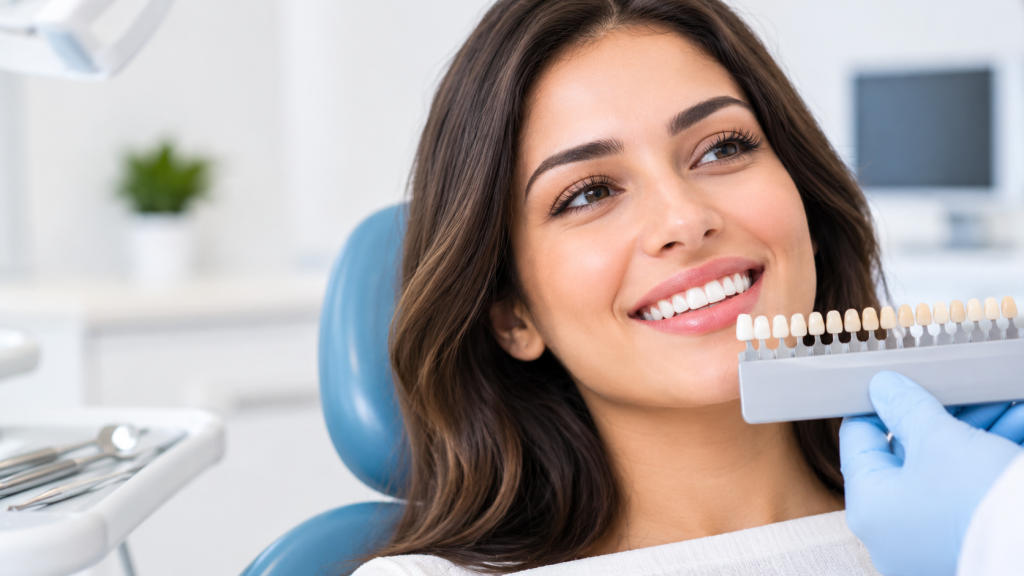
A beautiful smile is not simply about having perfectly white teeth. It is about achieving a natural balance between tooth colour, shape, alignment, gum proportions, and facial features. For many people, small dental imperfections can affect how confidently they smile, speak, or interact with others. Modern cosmetic dentistry offers several ways to address these concerns while respecting the natural characteristics of each person’s smile.
For people exploring cosmetic dentistry in Kuwait, understanding the available treatments is an important first step. Some individuals may benefit from professional teeth whitening, while others may need composite bonding, veneers, gum contouring, or a more comprehensive smile makeover. The right approach depends on the condition of the teeth, oral health, personal preferences, and desired results.
At Dentesto, Dr. Ali Al-Muhanna emphasizes simplicity, precision, and the natural beauty of every smile. The goal of personalized cosmetic dentistry is to explore suitable options that improve dental aesthetics while considering comfort, function, and long-term oral health.
What Makes a Smile Look Natural?
A natural-looking smile is influenced by several features that work together. Tooth colour is important, but it is only one part of the overall appearance.
The size and shape of individual teeth affect the proportions of the smile. Alignment influences how the teeth appear in relation to one another, while the gum line helps frame the visible tooth surfaces. The relationship between the smile, lips, and facial features also contributes to the final appearance.
This is why cosmetic dental treatment should not follow the same design for every patient. A shade that looks attractive on one person may not suit another person’s complexion or natural tooth colour. Similarly, tooth shapes and proportions that work well for one smile may appear less harmonious on another.
A professional consultation allows the dentist to evaluate these factors and discuss realistic treatment options. Instead of focusing exclusively on achieving the whitest possible teeth, the aim is to find a result that looks balanced and appropriate for the individual.
1. Professional Teeth Whitening for a Brighter Smile
Tooth discolouration is a common concern among adults. Coffee, tea, certain foods, tobacco, ageing, and other factors can gradually change the appearance of natural teeth. Professional whitening may help reduce suitable types of stains and create a brighter smile.
How Does Professional Teeth Whitening Work?
Professional teeth whitening uses dental whitening agents to lighten the colour of natural teeth. Depending on the patient’s needs, the dentist may recommend an in-clinic treatment or another professionally guided approach.
Before treatment, the dentist should assess the teeth and gums, identify possible causes of discolouration, and check for problems such as untreated decay or gum disease. This assessment helps determine whether whitening is appropriate.
Whitening does not change the colour of crowns, veneers, fillings, or other restorations. Patients with existing dental work should discuss this before treatment because differences in colour may become more noticeable after whitening.
Who May Benefit from Teeth Whitening?
Professional whitening may be suitable for people who:
- Have staining caused by coffee, tea, or certain foods.
- Want to improve the brightness of their natural teeth.
- Prefer a less invasive cosmetic option.
- Want to discuss tooth discolouration before considering other treatments.
Temporary tooth sensitivity or gum irritation can occur. A dentist can explain the potential risks and recommend an appropriate treatment plan.
For patients interested in تبييض الأسنان في الكويت, a professional assessment can help establish whether whitening alone is likely to achieve their desired result.
2. Veneers and Lumineers for Tooth Shape and Appearance
Sometimes, changing tooth colour is not enough to address a person’s concerns. Teeth may have small chips, uneven edges, worn surfaces, irregular shapes, or spaces that affect the overall appearance of the smile.
In suitable cases, veneers may offer a way to improve several of these characteristics.
What Are Dental Veneers?
Dental veneers are thin, custom-made restorations bonded to the front surfaces of teeth. Depending on the material and treatment plan, they can improve tooth colour, shape, size, and the appearance of minor spacing or irregularities.
Porcelain veneers are designed to reproduce some of the light-reflecting qualities of natural enamel. Their appearance depends on factors such as material selection, shade, tooth preparation, and the skill involved in designing and placing them.
How Are Lumineers Different?
Lumineers are a type of thin veneer designed to provide cosmetic enhancement with limited tooth preparation in suitable cases. However, not every patient is a candidate for a minimal-preparation approach.
The dentist must consider existing tooth position, bite, enamel condition, and the desired change before recommending a particular veneer technique.
Why Is Personalised Planning Important?
Veneers are not simply a way to make teeth look white. Their size, length, contour, and shade need to complement the patient’s natural smile.
Patients should also understand that conventional veneer treatment may involve irreversible removal of some enamel. Veneers can chip, wear, or require replacement over time, so maintenance and long-term planning matter.
At Dentesto, patients exploring Veneers and Lumineers in Kuwait can discuss their aesthetic goals and learn which options may be appropriate for their individual dental condition.
3. Composite Resin Bonding for Small Imperfections
Not every cosmetic concern requires veneers or extensive dental treatment. For selected minor imperfections, composite resin bonding may provide a more conservative option.
Composite bonding involves applying tooth-coloured resin to a tooth and shaping it to improve its appearance. The material is then hardened and polished to blend with the surrounding tooth structure.
What Can Composite Bonding Correct?
Depending on the condition of the tooth, bonding may be used to improve:
- Small chips and uneven edges.
- Minor gaps between selected teeth.
- Localised shape irregularities.
- Certain cosmetic defects affecting the visible tooth surface.
One advantage is that bonding can often be completed in a single appointment. It may also require little or no enamel removal in appropriate cases.
However, composite resin can stain, chip, or wear. Its longevity depends on the location of the restoration, oral habits, bite forces, material, and maintenance.
Bonding is not the best solution for every alignment or structural problem. A dental examination helps determine whether it is suitable or whether another treatment would provide a more predictable result.
For patients seeking resin bonding in Kuwait, the key is to select an option that addresses the concern without undertaking unnecessary treatment.
4. Digital Smile Design and Personalised Treatment Planning
Digital Smile Design is an approach to evaluating and planning cosmetic dental treatment using digital information and visual analysis. It helps patients and dentists discuss the intended changes before deciding how to proceed.
The concept is particularly useful when several aspects of the smile need consideration together.
Why Does Smile Design Matter?
A smile makeover may involve changes to tooth colour, length, shape, spacing, or gum proportions. These features influence one another, which means an isolated change may not always produce the most balanced overall result.
Personalised smile planning encourages the dentist to consider the smile as a whole rather than treating each tooth as a separate cosmetic problem.
Depending on the clinic’s planning process, photographs, digital images, or mock-ups may help communicate proposed changes. However, a digital preview is a planning aid rather than a guarantee of the exact final outcome.
What Should Patients Discuss Before Treatment?
A smile design consultation should include questions about:
- The specific changes the patient wants to achieve.
- The condition of the teeth and gums.
- Treatment alternatives and their limitations.
- The amount of natural tooth structure that may need to be altered.
- Expected maintenance, costs, and potential complications.
- Whether restorative or orthodontic treatment should be considered first.
Dentesto offers digital smile design among its cosmetic dental services. This approach supports a more informed discussion about treatment possibilities and helps patients understand the options available to them.
5. Gum Contouring for Better Smile Proportions
The gums play an important role in the appearance of the teeth. If a large amount of gum tissue is visible when smiling, or if the gum line appears uneven, the overall smile may look different from what the patient expects.
Gum contouring is a procedure that reshapes selected gum tissue to improve the balance between the teeth and gums.
When Might Gum Contouring Be Considered?
Depending on the cause of the concern, gum contouring may be considered for an uneven gum line or certain cases in which excess gum tissue covers part of the visible teeth.
However, a gummy smile does not always result from excess gum tissue. Tooth eruption patterns, lip movement, jaw structure, and other factors may contribute to the appearance.
A proper assessment is therefore essential before selecting a procedure.
What About Water-Laser Techniques?
Some gum procedures can be performed using laser technology, depending on the equipment available and the patient’s clinical needs. The appropriate technique depends on the treatment area, diagnosis, and the dentist’s assessment.
Patients should ask about healing, possible discomfort, risks, and aftercare before proceeding.
At Dentesto, gum contouring is one of the options available for patients who want to explore changes to their gum line and smile proportions.
6. Clear Aligners for Teeth Alignment
Some people are primarily concerned about crooked teeth, crowding, or spaces between teeth. In these situations, whitening or veneers may not address the underlying alignment issue.
Orthodontic treatment may be a more appropriate approach.
Clear aligners are removable trays designed to move teeth gradually according to a treatment plan. They are often chosen by adults who want an alternative to conventional fixed braces.
What Are the Benefits of Clear Aligners?
Depending on the case, clear aligners may offer:
- A discreet appearance during treatment.
- Removability for eating and routine oral hygiene.
- A planned sequence of tooth movements.
- An option for addressing selected alignment concerns.
Successful treatment depends on the complexity of the case, appropriate planning, and wearing the aligners for the prescribed amount of time.
Clear aligners are not suitable for every orthodontic problem. Patients should also understand the importance of retainers after active treatment to help maintain the results.
For those exploring إنفزلاين في الكويت, a professional orthodontic assessment can help establish whether clear aligners are appropriate and what the treatment process may involve.
7. Smile Makeovers: Combining Treatments Carefully
A smile makeover is a personalised plan that may combine more than one cosmetic or restorative treatment. The exact combination depends on the patient’s dental condition and goals.
For example, a patient with stained teeth and minor chips might consider whitening followed by selective bonding. Another patient with alignment concerns may benefit from orthodontic treatment before considering any cosmetic refinements.
Someone with damaged or missing teeth may require restorative treatment to improve chewing function and dental stability before cosmetic changes are considered.
Why Should Treatment Be Planned in Stages?
Planning treatment in stages can help patients understand each decision and avoid procedures that may not be necessary.
A dentist may recommend addressing decay, gum disease, or other oral health concerns before beginning elective cosmetic treatment. Where appropriate, less invasive alternatives should also be discussed.
A comprehensive plan should explain the purpose of each procedure, expected benefits, limitations, maintenance needs, and potential risks.
At Dentesto, smile makeovers are part of a wider range of cosmetic services. Patients can discuss their concerns with Dr. Ali Al-Muhanna and explore options that align with their oral health and aesthetic preferences.
How to Choose the Right Cosmetic Dentist in Kuwait
Choosing a cosmetic dentist involves more than comparing photographs or selecting the most dramatic before-and-after result. Patients should look for a practitioner who can explain treatment options clearly and provide a plan based on a thorough examination.
Consider the following factors when evaluating a dental provider.
Qualifications and Experience
Review the dentist’s professional qualifications, clinical experience, and areas of practice. Ask who will perform each stage of the proposed treatment and whether any specialist referral may be needed.
A Comprehensive Examination
A responsible treatment recommendation should account for tooth structure, gum health, bite, existing restorations, and any relevant dental problems.
Clear Communication
The dentist should explain the benefits, limitations, risks, alternatives, and likely maintenance requirements of the proposed procedure.
Realistic Expectations
Cosmetic dentistry can improve many aspects of a smile, but no treatment can guarantee perfection. A good treatment plan aims for an appropriate balance of appearance, function, and long-term dental health.
Personalised Treatment
The right treatment is the one that suits the individual patient’s needs. A procedure that works well for one person may not be suitable for another.
Dentesto, led by Dr. Ali Al-Muhanna, highlights simplicity, precision, and natural-looking smile enhancement. The clinic offers services including whitening, veneers and Lumineers, resin bonding, gum contouring, digital smile design, clear aligners, and restorative dentistry.
Patients can review the available services and arrange a consultation to discuss their options.
How to Maintain Your Smile After Cosmetic Dentistry
The long-term appearance of cosmetic dental work depends partly on daily care and regular professional reviews. Different procedures have different maintenance requirements, but a few general habits can help protect both natural teeth and dental restorations.
Brush twice daily. Use fluoride toothpaste and a soft-bristled toothbrush, paying attention to the gum line and hard-to-reach areas.
Clean between your teeth. Daily flossing or another dentist-recommended interdental cleaning method helps remove plaque from areas a toothbrush may miss.
Attend regular dental checkups. Professional examinations help identify problems early and allow restorations to be monitored.
Limit frequent exposure to staining substances. Coffee, tea, and tobacco can affect the appearance of natural teeth and some dental materials. Ask your dentist how to maintain your specific results.
Avoid using your teeth as tools. Biting hard objects, opening packaging with your teeth, or chewing ice can damage natural teeth, bonding, and veneers.
Discuss teeth grinding. If you clench or grind your teeth, your dentist may recommend an appropriate protective strategy.
Follow treatment-specific advice. Whitening, veneers, bonding, aligners, and gum procedures each have different aftercare requirements. Follow the instructions provided by your dental professional.
Maintaining a smile is an ongoing process. Regular care helps support oral health and can reduce the likelihood of avoidable damage to cosmetic restorations.
Why Consider Dentesto for Cosmetic Dentistry in Kuwait?
Dentesto provides cosmetic and restorative dental services under the clinical leadership of Dr. Ali Al-Muhanna. The practice’s stated approach focuses on simplicity, precision, and revealing the natural beauty of each patient’s smile.
The available services include professional teeth whitening, veneers and Lumineers, composite resin bonding, gum contouring, digital smile design, smile makeovers, clear aligners, crowns and bridges, dental implants, and complete oral rehabilitation.
The most appropriate treatment depends on the patient’s clinical condition and desired outcome. A consultation gives patients the opportunity to discuss their concerns, understand alternatives, and make an informed decision.
To learn more, visit the official Dentesto website or explore the cosmetic dentistry services.
Frequently Asked Questions
1. What is cosmetic dentistry?
Cosmetic dentistry focuses on improving the appearance of teeth and gums. Treatments may include professional whitening, veneers, composite bonding, gum contouring, and smile makeovers. Some procedures also restore tooth structure or function.
2. Which cosmetic dental treatment is best for a natural-looking smile?
The best option depends on the concern being addressed. Whitening may help with certain stains, bonding can improve minor chips, and veneers may change tooth shape or colour. A dentist can recommend an appropriate treatment after examining your teeth and gums.
3. How much does cosmetic dentistry cost in Kuwait?
The cost varies according to the procedure, the number of teeth involved, the materials used, and the complexity of treatment. A personalised consultation is the best way to obtain a treatment plan and accurate cost estimate.
4. Are veneers better than teeth whitening?
These treatments address different concerns. Whitening changes the colour of suitable natural teeth, while veneers can alter colour, shape, and selected visible irregularities. Veneers involve more commitment and may require irreversible tooth preparation, so they should not automatically be considered the better option.
5. Is composite bonding a permanent solution?
Composite bonding can last for years, but it is not necessarily permanent. The material may stain, chip, or wear and may need polishing, repair, or replacement. Longevity depends on the tooth, bite, habits, and maintenance.
6. Can cosmetic dentistry improve crooked teeth?
Yes, some cosmetic treatments can improve the appearance of minor irregularities. However, orthodontic treatment such as clear aligners may be more appropriate when the underlying issue involves tooth position or bite alignment. A dentist should assess the case before recommending treatment.
7. Is cosmetic dentistry safe?
Many cosmetic dental procedures can be performed safely when they are appropriately selected and carried out by qualified dental professionals. Every procedure has potential limitations and risks, so an examination and discussion of alternatives are important before treatment.
8. How long does a smile makeover take?
The timeline depends on the treatments involved. Whitening or bonding may require one or a few appointments, while orthodontic treatment or complex restorative work can take considerably longer. The dentist can provide a more realistic estimate after assessment.
9. How can I maintain my cosmetic dental results?
Brush twice daily with fluoride toothpaste, clean between your teeth, attend dental checkups, and follow the aftercare instructions for your specific treatment. Avoid habits that can damage restorations and ask your dentist whether additional protection is needed.
10. How can I book a cosmetic dentistry consultation at Dentesto?
You can visit Dentesto’s official website or use the contact page to explore appointment options and contact details.
Conclusion
A confident smile does not need to look artificial or follow a particular trend. The most successful cosmetic dental plans consider tooth appearance, gum health, bite function, facial proportions, and the patient’s personal preferences.
From professional whitening and composite bonding to veneers, clear aligners, and digital smile design, there are several approaches to improving a smile. Understanding the benefits and limitations of each option helps patients make informed decisions and avoid unnecessary treatment.
For those considering cosmetic dentistry in Kuwait, Dentesto offers a range of services designed around individual dental needs. A consultation with Dr. Ali Al-Muhanna can help you explore suitable options and develop a plan focused on natural-looking results and long-term oral health.
Take the first step towards a smile that feels like you. Visit Dentesto.com to learn more about available treatments and consultation options.