
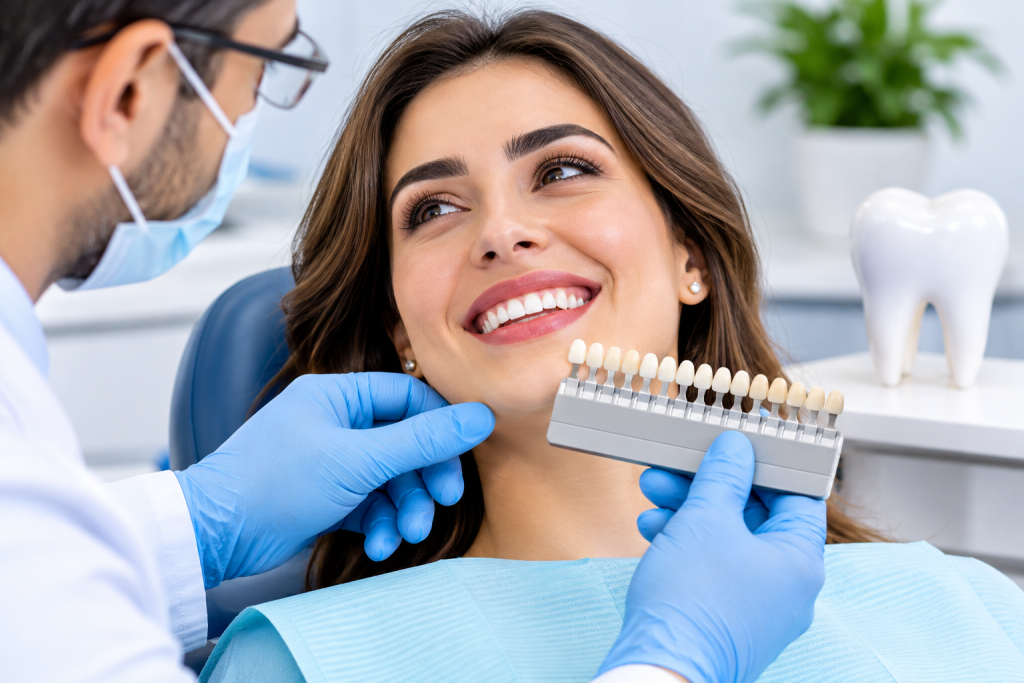
A beautiful smile is not simply about having perfectly white teeth. It is about achieving harmony between tooth shape, colour, alignment, gum appearance, and facial features. Modern cosmetic dentistry focuses on improving these details while preserving the natural character of each person’s smile.
With advancements in dental technology and treatment techniques, patients now have more options for improving their smiles. From subtle refinements to complete smile transformations, cosmetic dental procedures can address a wide range of aesthetic concerns.
At Dentesto, Dr. Ali Al Muhanna focuses on combining precision, simplicity, and artistic understanding to help patients explore treatments that complement their individual smiles.
Understanding the Art of a Natural Smile
A natural-looking smile should suit the person rather than follow a universal standard. Teeth that look attractive on one individual may not create the same result for someone with different facial proportions or features.
Several elements contribute to an aesthetically balanced smile:
- Tooth proportions: The length and width of teeth influence the overall appearance.
- Tooth colour: A suitable shade should complement natural features rather than look artificially bright.
- Gum symmetry: Healthy and balanced gum contours help frame the teeth.
- Dental alignment: Proper positioning contributes to a more harmonious smile.
- Facial proportions: The smile should complement the lips and overall facial structure.
Understanding these factors helps dentists develop treatment plans that focus on natural-looking improvements.
Why Personalised Cosmetic Dentistry Matters
No two smiles are exactly alike. Some patients may want to correct small imperfections, while others may be interested in improving several aspects of their teeth.
A personalised consultation allows the dentist to understand the patient’s expectations, examine their oral health, and discuss suitable treatment options.
Rather than recommending the same procedure to everyone, cosmetic dentistry should consider individual dental conditions, aesthetic goals, and long-term oral health.
Popular Cosmetic Dentistry Treatments for Smile Enhancement
Modern cosmetic dentistry offers different procedures depending on the patient’s needs. Each treatment addresses specific concerns and may be recommended individually or in combination.
1. Porcelain Veneers and Lumineers
Veneers are thin, customised coverings placed on the front surfaces of teeth to improve their appearance. They may help address discolouration, uneven shapes, small gaps, and certain minor imperfections.
Lumineers are a type of ultra-thin dental veneer. Their suitability depends on the patient’s existing tooth structure, bite, and desired outcome.
The goal is to create a balanced appearance while considering the natural proportions of the teeth.
2. Professional Teeth Whitening
Tooth discolouration can develop because of coffee, tea, certain foods, smoking, ageing, and other factors. Professional teeth whitening offers a way to improve the brightness of natural teeth.
Unlike over-the-counter whitening products, professional treatment begins with an assessment of dental health and the cause of discolouration.
Patients should understand that whitening works on natural teeth and does not change the colour of existing crowns, veneers, or fillings.
3. Resin Bonding for Minor Imperfections
Resin bonding is a conservative cosmetic procedure that uses tooth-coloured composite material to improve the appearance of selected teeth.
It may be suitable for:
- Repairing minor chips.
- Improving irregular tooth edges.
- Closing selected small gaps.
- Correcting certain shape imperfections.
- Improving the appearance of localised discolouration.
One advantage of resin bonding is that it can often be completed with minimal alteration to natural tooth structure. However, composite material can stain or chip over time and may require maintenance.
4. Gingivectomy for Balanced Gum Appearance
Sometimes, the appearance of a smile is influenced by the amount and shape of visible gum tissue. Excess gum tissue can make teeth appear shorter or create an uneven gumline.
A gingivectomy involves removing selected gum tissue to improve gum contours when clinically appropriate.
Before treatment, the dentist must assess gum health, tooth proportions, and the underlying structures. The procedure is not suitable for every patient, and treatment planning is essential.
5. Invisalign and Clear Aligner Treatment
Misaligned teeth can affect both smile aesthetics and dental function. Clear aligner systems such as Invisalign use a series of removable, customised aligners to gradually move teeth into planned positions.
Depending on the case, aligner treatment may help address:
- Crowded teeth.
- Certain spacing issues.
- Selected bite irregularities.
- Mild to moderate alignment concerns.
Treatment suitability depends on the complexity of the case. Consistent wear and professional monitoring are important for achieving the planned results.
The Importance of Digital Smile Planning
Technology has changed the way cosmetic dental treatments are evaluated and planned. Digital tools can help dentists assess tooth proportions, examine smile characteristics, and communicate potential treatment approaches.
Digital Smile Design is one approach that can help visualise proposed aesthetic changes before treatment begins.
It allows the dentist and patient to discuss factors such as tooth shape, symmetry, proportions, and the relationship between the smile and facial features.
Although digital previews are useful planning tools, they should not be considered a guarantee of the final clinical result.
Why Oral Health Should Come Before Aesthetic Improvements
Cosmetic dentistry should always begin with a healthy foundation. Improving the appearance of teeth without addressing existing dental problems can lead to complications.
Before starting cosmetic treatment, a dental professional may evaluate:
- Tooth decay and existing restorations.
- Gum health and inflammation.
- Tooth sensitivity.
- Bite alignment and jaw function.
- Existing dental infections.
- The condition of the supporting structures.
If underlying problems are identified, they should generally be addressed before elective cosmetic procedures.
Healthy gums and properly maintained teeth contribute to the durability and success of aesthetic dental work.
How to Choose the Right Cosmetic Dental Treatment
Choosing a procedure should involve more than selecting the treatment that appears most attractive. Patients should understand what each option can realistically achieve.
For example, whitening may be appropriate for natural tooth discolouration, while veneers may be considered for concerns involving tooth shape or multiple aesthetic imperfections.
Similarly, a patient with alignment concerns may benefit from orthodontic assessment rather than immediately considering veneers.
A professional consultation helps establish whether a treatment is appropriate and whether alternative approaches could preserve more natural tooth structure.
Maintaining Your Smile After Cosmetic Treatment
Good oral hygiene and regular dental examinations remain important after cosmetic procedures.
Patients can help maintain their results by following a consistent care routine:
- Brush twice daily using a fluoride toothpaste.
- Clean between teeth with floss or appropriate interdental brushes.
- Attend regular dental check-ups.
- Avoid biting hard objects that may damage teeth or restorations.
- Limit frequent consumption of staining foods and drinks.
- Follow any treatment-specific maintenance instructions provided by the dentist.
Different cosmetic treatments have different maintenance requirements. Veneers, bonding, whitening, and clear aligners should not all be treated as having the same aftercare needs.
Discover a More Personalised Approach to Cosmetic Dentistry at Dentesto
Every smile has its own characteristics, and improving it requires a thoughtful understanding of dental health, proportions, and individual expectations.
At Dentesto, Dr. Ali Al Muhanna brings together clinical knowledge, precision, and an appreciation for natural aesthetics. With more than 12 years of experience and advanced dental qualifications, his approach focuses on understanding each patient’s needs before considering suitable treatment options.
Whether someone is exploring teeth whitening, resin bonding, veneers and Lumineers, gingivectomy, Invisalign, or a complete smile makeover, the first step is a professional consultation.
The objective is not simply to change the appearance of teeth. It is to create a healthy, balanced smile that feels natural and complements the individual.
Explore the available treatments at Dentesto Kuwait and discover cosmetic dentistry options designed around your smile.
Frequently Asked Questions
1. What is the best cosmetic dental treatment for a natural-looking smile?
There is no single best treatment for everyone. The right option depends on tooth condition, alignment, colour, gum health, and the patient’s expectations.
2. Are porcelain veneers better than teeth whitening?
They serve different purposes. Whitening improves the shade of natural teeth, while veneers can change aspects of tooth shape, colour, and appearance. A dentist can help determine which approach is suitable.
3. Can resin bonding improve chipped teeth?
Yes. Resin bonding can repair certain minor chips and improve tooth shape using tooth-coloured composite material.
4. How long do cosmetic dental treatments last?
Longevity varies according to the procedure, materials, oral hygiene, lifestyle, and maintenance. Regular dental check-ups help monitor the condition of cosmetic restorations.
5. Is Invisalign suitable for every patient?
No. Invisalign can address many alignment concerns, but complex cases may require other orthodontic approaches. A professional assessment is necessary.
6. Why is a dental consultation important before a smile makeover?
A consultation helps identify underlying dental problems, evaluate oral health, understand aesthetic expectations, and develop an appropriate treatment plan.